
Aleksandr Skorobogatov: press, biography and bibliography in short
Biography & Early Career
I was born in 1963 in Grodno, a small Belarusian town near the Polish border. I studied drama and film at the Belarusian State Institute for Theatre and Art in Minsk, Belarus (nowadays Belarusian State Academy of Arts), theology at the St. Sergius Orthodox Theological Institute in Paris, France, and graduated from the Gorky Literary Institute in Moscow, Russia.
Dedalus, Belgium, 1992
My decision to become a writer came early, around 18-19 years old, while still at the theater institute. I left the institute to fully dedicate myself to literature, naively hoping to become a full-time writer within months. It was a time of youthful optimism, believing my texts would be published in the late Soviet Era, despite Belarus having only one state-owned publishing house and literary magazine.
Reality struck during an informal conversation with an editor from this sole literary magazine. He appreciated my writing but said it would never be published because it was too different, ideologically unacceptable, and politically incorrect. His suggestion to change my style and views, a common refrain in the years that followed, was something I never planned to heed.
Manteau, Belgium, 1994
Needing a job that allowed time for writing, I faced challenges. A potential job at the local post office was denied because of my appearance—jeans and long hair—which were seen negatively at the time.
I eventually found work at a circus, working three hours each evening. However, when the circus increased its shows to three times a day, consuming my writing time, I switched to being a night security guard at a children’s crèche. This job left my days free, but I was later dismissed for absenteeism: the long, solitary nights in the large, empty building were way too scary. Besides, during those nights, I had far more absorbing things to do than just scouting for a secure spot to avoid potential robbers.
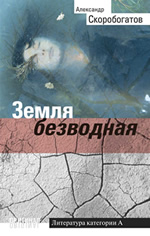
Olma-Press, 2002
I was fortunate to become a student at the renowned Gorky Literary Institute (Moscow)—unique and at that time definitely the most liberal educational institution for aspiring writers, poets, dramaturges, etc.—just when I realized a simple truth: my decision not to become another conformist writer meant I would likely never see a single word of mine published.
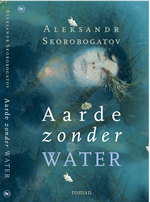
The House of Books, Belgium, 2002
Furthermore—just like many other writers of the time—I would have to ‘write for the table’ for the rest of my life: a disheartening term meaning that a writer knows beforehand his work will not be published but will end up in his desk drawer instead. At the Gorky Literary Institute, at least I wasn’t the only one facing such a daunting prospect, and life in the metropolis was, in all respects, much freer than in the provinces.
I began working as a journalist for the national radio in Moscow, and soon thereafter (1989), the most popular ‘thick literary magazine’ of the time, Yunost, published my short story The Executioner, which boasted a circulation of 3,100,000 copies. I suppose that year could more or less be considered the official beginning of my literary career. Interestingly, in 1995, this first publication received the following magnanimous praise from Yunost magazine: ‘Some day this story will be published in the anthology of the best works of this century’. The funny thing is that this prophecy had already been fulfilled since the Moscow publishing house Russkij Yazyk had included The Executioner in its anthology of Russian short stories of the 20th century, about five years earlier.
The House of Books, Belgium, 2004
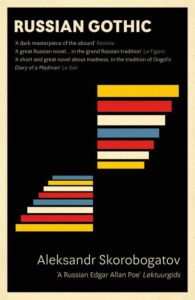
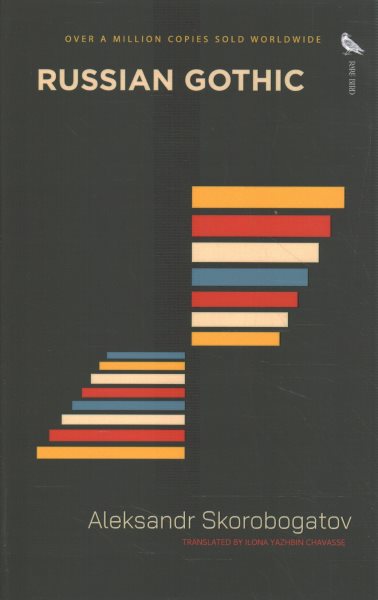
Russian Gothic — Origins, Fight against Soviet Censorship, Publication, and Stellar International Reception
Following the considerable success of my first publication, The Executioner, my publisher expressed interest in publishing a novel of mine. Skeptical that a novel about a young Afghan-Soviet war veteran suffering from war-inflicted PTSD—which I had written ‘for the table’, with no expectation of it being published—could ever be published in the USSR, I was astounded when it was accepted. Yet my initial joy turned to dismay when the edited manuscript arrived, with vital parts noticeably missing. Evgeny Sidorov, then the head of the prestigious Gorky Literary Institute (who later became the first Russian Minister of Culture after the USSR’s dissolution), revealed to me that my work had been subjected to more than simple editing; it had been censored by one of the most notorious censors in the USSR. Emilia Proskurnina, who once censored the leading Soviet literary magazine Novy Mir—the publication that first introduced Aleksandr Solzhenitsyn’s One Day in the Life of Ivan Denisovich—now worked as an ‘editor’. In this capacity, she did her utmost to mutilate my first novel.
Editions Autrement, France, 2009
Sidorov’s advice, though practical, was also disheartening. He suggested that I should embrace this opportunity, move forward, and start a new project. This view was also held by several established authors, who considered acquiescing to significant textual changes a normal part of the process.
After considerable reflection, I decided to approach my publisher and decline the publication. Such a decision was unprecedented for a debut novelist, but my choice was driven by a commitment to my artistic integrity. To my surprise, the publisher, who remained a staunch supporter of my novel, facilitated a meeting with the censor to engage in a dialogue. This meeting resulted in successful negotiations that led to the reinstatement of all the critical elements I deemed essential for the integrity of my novel.
Russian Gothic won the prestigious ‘Best novel of the year’ award from Yunost magazine in Russia in 1991 (Yunost, Moscow, 1991, 999,000 copies), and later the reputable International Literary Award Città di Penne for its Italian edition (2012). As the Overall Winner of the XXXIVth International Literary Award ‘Città di Penne’, I received the Medal of the President of the Italian Republic Giorgio Napolitano.
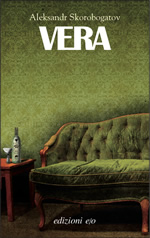
Edizioni E/O, Italy, 2011
Regrettably, the French and Italian translations of Russian Gothic were published in censored forms. The French publisher removed the novel’s introduction, deeming it too violent and immoral, while the Italian publisher refused to publish any text that deviated from the French version. Despite my efforts against this unnecessary and disheartening censorship, harsh contractual obligations prevented me from restoring the censored text in the novel. So, in a sense, it was easier to overcome the ideological censorship of the late Soviet Union than to defeat the commercial censorship I encountered—in these two incidents—in the West.
Right from the outset, Russian Gothic has received truly stellar international reviews.
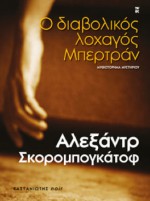
Kastaniotis Editions, Greece, 2013
‘From time to time, but very rarely, a novel by a totally unknown author gives a glimpse of unexpected genius. Russian Gothic is one of those rare, truly impressive debuts,’ wrote Gazet van Antwerpen in 1992. ‘It has been a while since such an original work has come from Russia. And what is most gratifying is that Skorobogatov not only touches on new themes, but also writes so extraordinarily well. I have read Russian Gothic in one sitting, and I remained in its grip even afterwards,’ wrote Helen Saelman in NRC Handelsblad that same year. Prof. Dr. Emmanuel Waegemans noted in Het Laatste Nieuws: ‘It is a great story that immediately grabs you by the throat (and quite honestly, by other body parts too) and it doesn’t let go. It is absolutely unique in Russian literature in general, and especially so in that of recent years. This story can be filmed as is, with an atmosphere worth a Polanski.’
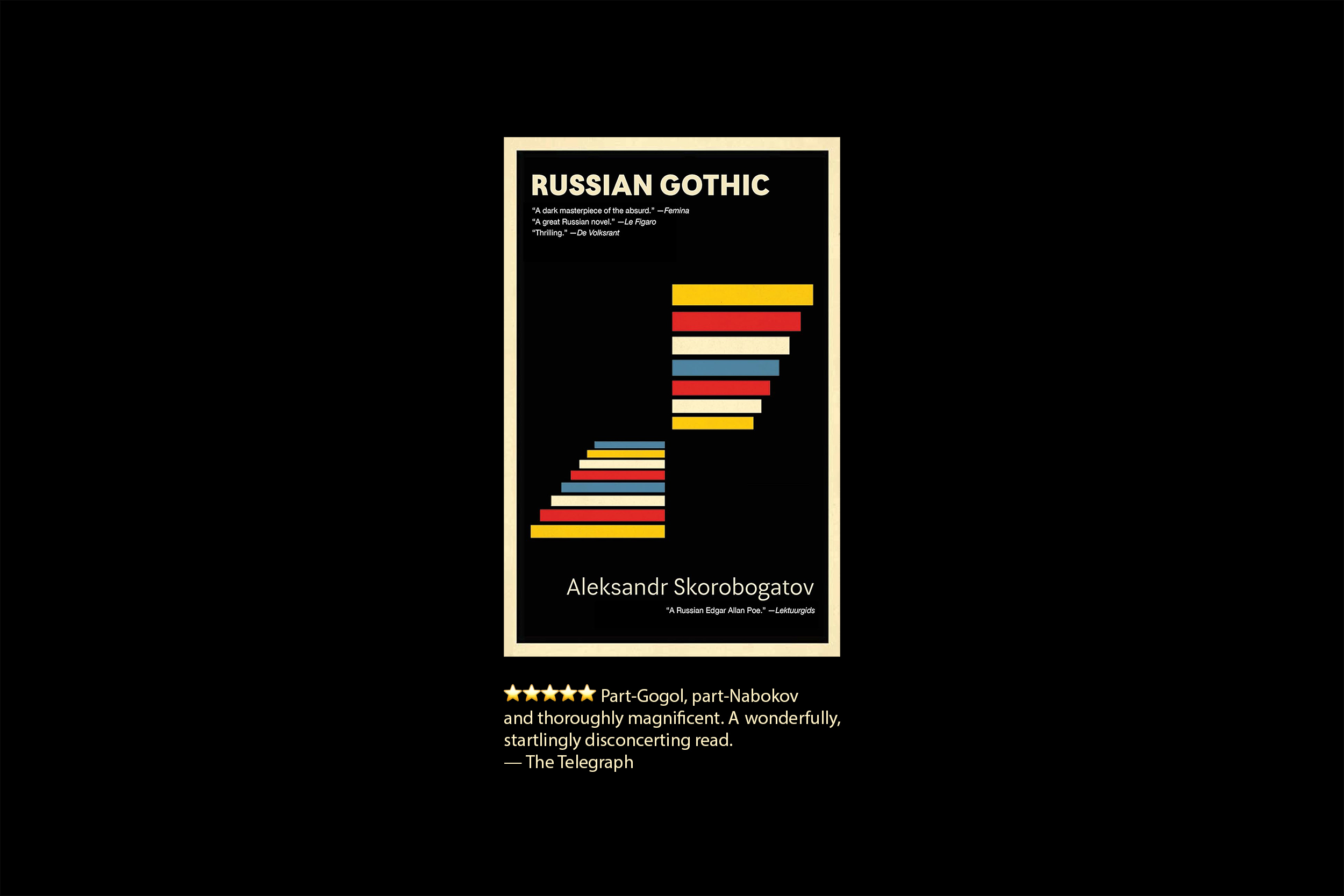
‘Part-Gogol, part-Nabokov and thoroughly magnificent,’ wrote Francesca Peacock in The Telegraph in 2023. ‘Russian Gothic has been heralded as an early masterpiece of post-Soviet literature — a wonderfully, startlingly disconcerting read.’ The Telegraph gave Russian Gothic 5 out of 5 stars.
Russian Gothic also received a 5 out of 5 star rating in Internazionale, as well as in Knack Focus. ‘Russian Gothic is an exceptionally fascinating and accomplished novel that skillfully intertwines reality, dream, delirium, and madness,’ wrote Marnix Verplanke in Knack Focus. ‘A grand Russian novel where the hero is a husband tortured by the demons of jealousy,’ wrote Astrid de Larminat in Le Figaro. ‘With this beautiful tragic novel, Skorobogatov has carved a place for himself in the grand Russian tradition.’
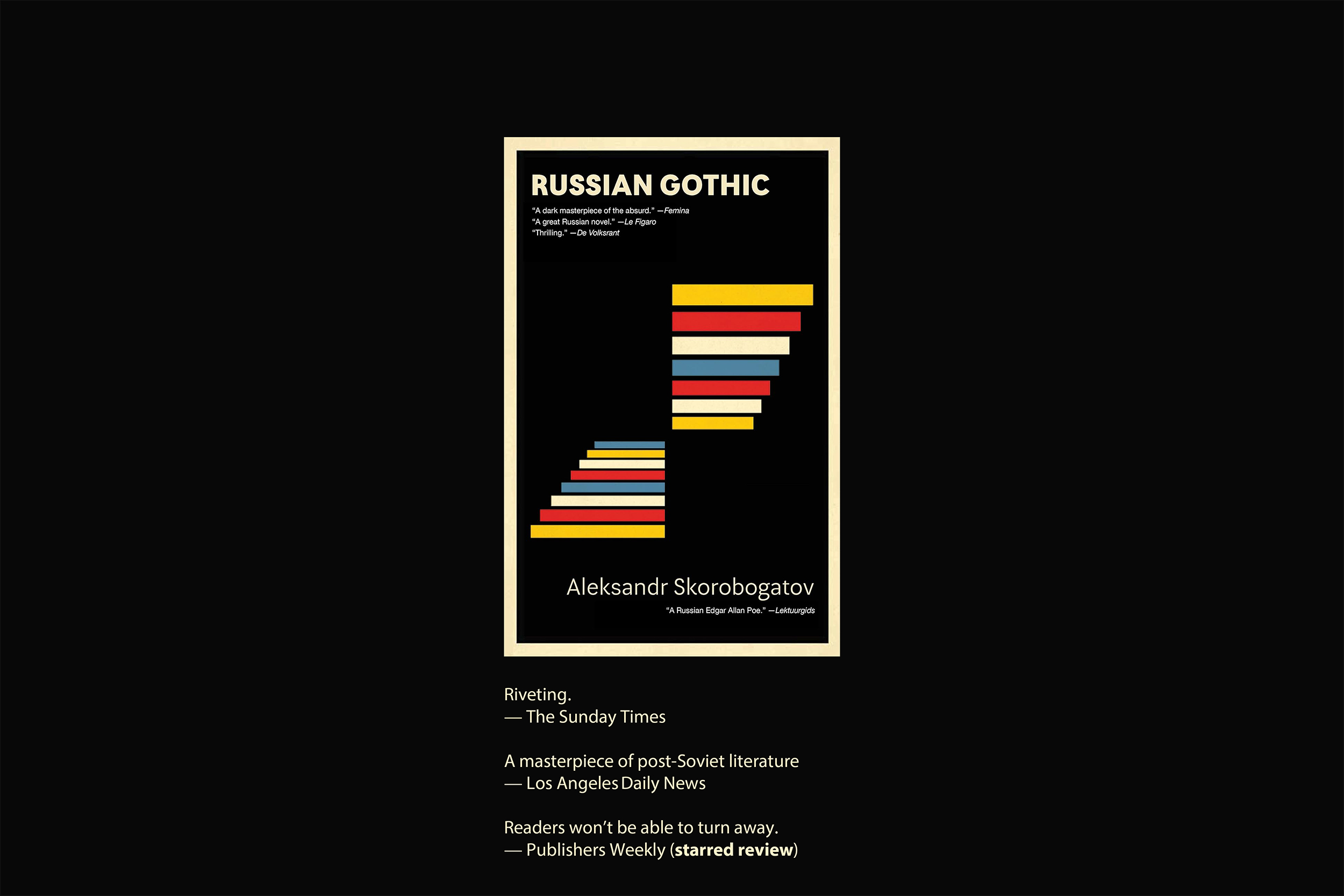
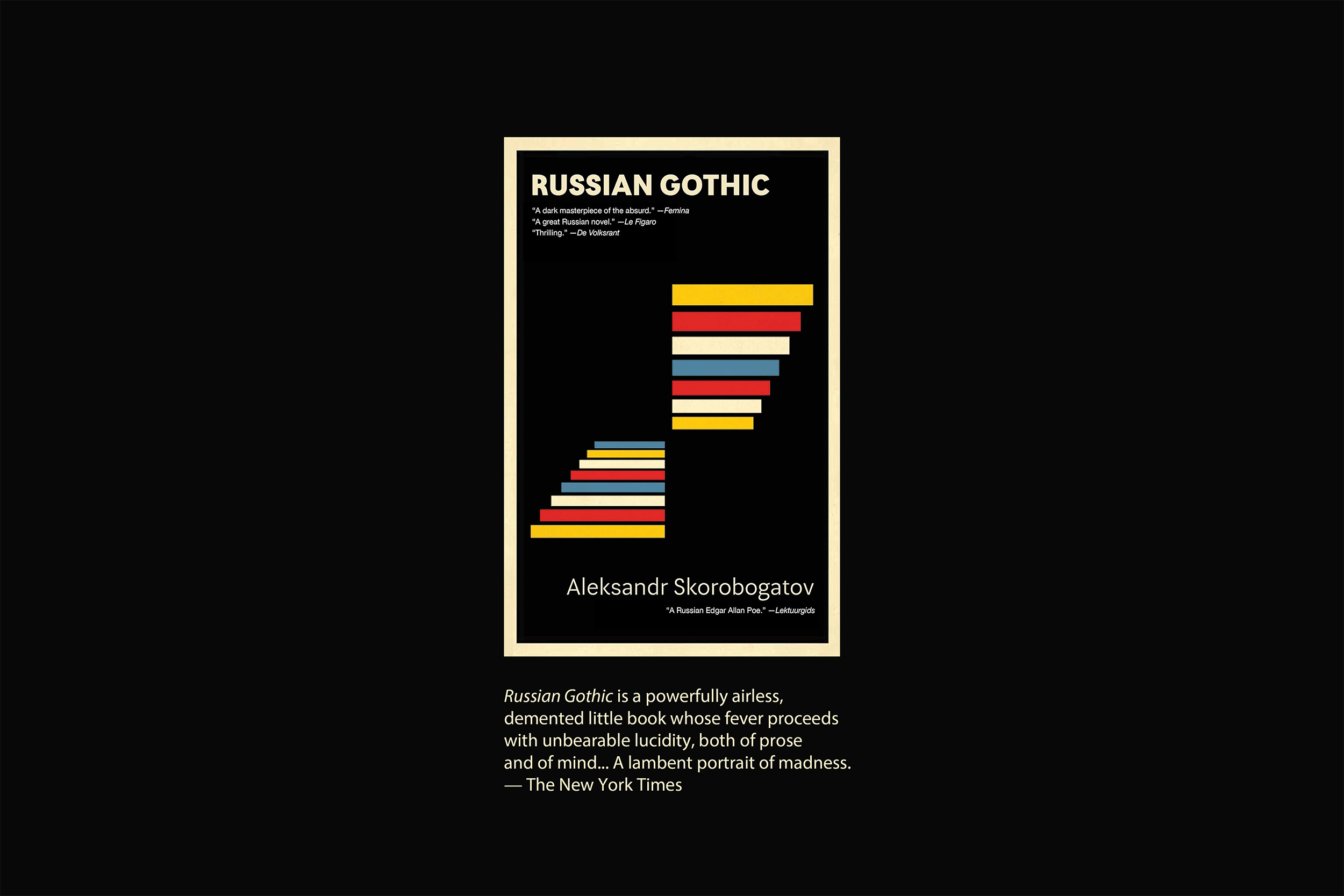
‘Russian Gothic joins the tradition of tales told from the perspective of unhinged narrators, from Gogol’s Diary of a Madman (1835) to Bret Easton Ellis’s American Psycho (1991),’ wrote Mia Levitin in The Sunday Times. ‘All the more chilling in light of the conscripts being sent en masse to fight in Ukraine. Skorobogatov’s complex psychological portrait is riveting.’ ‘A Russian Edgar Allan Poe story, written in a sublime and breathtaking way,’ stated Lektuurgids.
‘A short and grand novel about an obsessive jealousy which leads to madness, in the tradition of Gogol’s Diary of a Madman,’ wrote Jean-Claude Vantroyen in Le Soir.
‘This sinister, indeed sulphurous, novella by a Belarus-born author was first published in Russian in 1991, and won major awards,’ wrote Boyd Tonkin in The Spectator. ‘Ilona Yazhbin Chavasse’s English translation, as creepily compelling as the book deserves, appears long after the contemporary hook that Aleksandr Skorobogatov embeds in his tale has lost its topicality. Recent events, however, make this fable of obsession, madness, and violence timelier than ever. (…) Admirers of Gogol, Dostoevsky and other literary conjurers of infernal powers, both psychological and social, will find plenty to recognise. (…) The anti-hero’s demonic possession, and the heroine’s long-suffering virtue, may unfold against a broad canvas of Russian writing, with its recurrent spiritual dramas, yet Nikolai also suffers alcohol-enhanced PTSD, bequeathed by the imperial debacles of the moribund Soviet state. His hallucinations have a history. And this English version arrives just as Putin’s war on Ukraine creates thousands more traumatized Nikolais. In his sermon from hell, Bertrand refers to life as ‘a never-ending battle in a never-ending war’. If so, then the Kremlin now hosts the most faithful devil’s disciple of them all.’
Earth Without Water — 2002
In 2002, ‘OLMA-PRESS,’ at the time one of Russia’s largest publishing houses, released my novel Earth without Water (Zemlya bezvodnaya, Moscow). This novel was included in the esteemed ‘Original’ series, the first Russian literary project focused on publishing high-quality contemporary prose. That same year, 2002, Earth without Water was also published in a Dutch translation by The House of Books (Antwerp-Vianen), the foremost publishing division for Dutch-speaking regions (Belgium and The Netherlands) under the media conglomerate Bertelsmann.
The press reviews for Earth without Water were rave. ‘It has been a long, very long time since I have read a novel that I could only tear myself away from after I have turned the last page. (…) Strong, sharp, dramatic and… bitter. A great book!’ (Literaturnaja Rossia, Moscow). ‘Without any doubt Category A literature’ (Ezhenedelnyj zhournal, Moscow).
Trendsetting literary magazine Druzhba narodov called Earth without Water the best novel of the year, giving it high praise: ‘Aleksandr Skorobogatov’s novel deals with the traditional themes of Russian literature, and in my opinion, he does it with the same refinement as did the representatives thereof, thanks to which Russian literature is now considered great.’
Portrait of an Unknown Girl — Grief and First Love
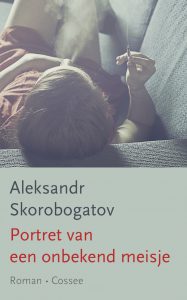
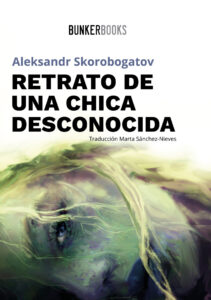
In 2002, I endured the most devastating tragedy a parent can face: the kidnapping and murder of my beloved son, Vladimir, near Moscow. The following year, I returned to Moscow for his killers’ trial, which turned out to be my final visit to Russia. Returning to Belgium, I began to feel myself unraveling. The fear of losing control loomed over me. In response, I decided to write a text that would offer me a temporary escape from the agonizing world I was immersed in, even if just for a few hours each day. My aim was to create something diametrically opposed to my painful reality—a bright, colorful, sunny novel; a sanctuary where I could seek refuge daily. A story filled with warmth and goodness about the first love of two teenagers in the USSR. That’s how I started working on Portrait of an Unknown Girl, not realizing then that I was writing about my lost son. I completed the novel in 2008. In the years following my son’s death, Portrait of an Unknown Girl was the only novel I managed to finish.
Portrait of an Unknown Girl, the book I dedicated to my son Vladimir, was published in Dutch in 2015 and garnered rave reviews from the press.
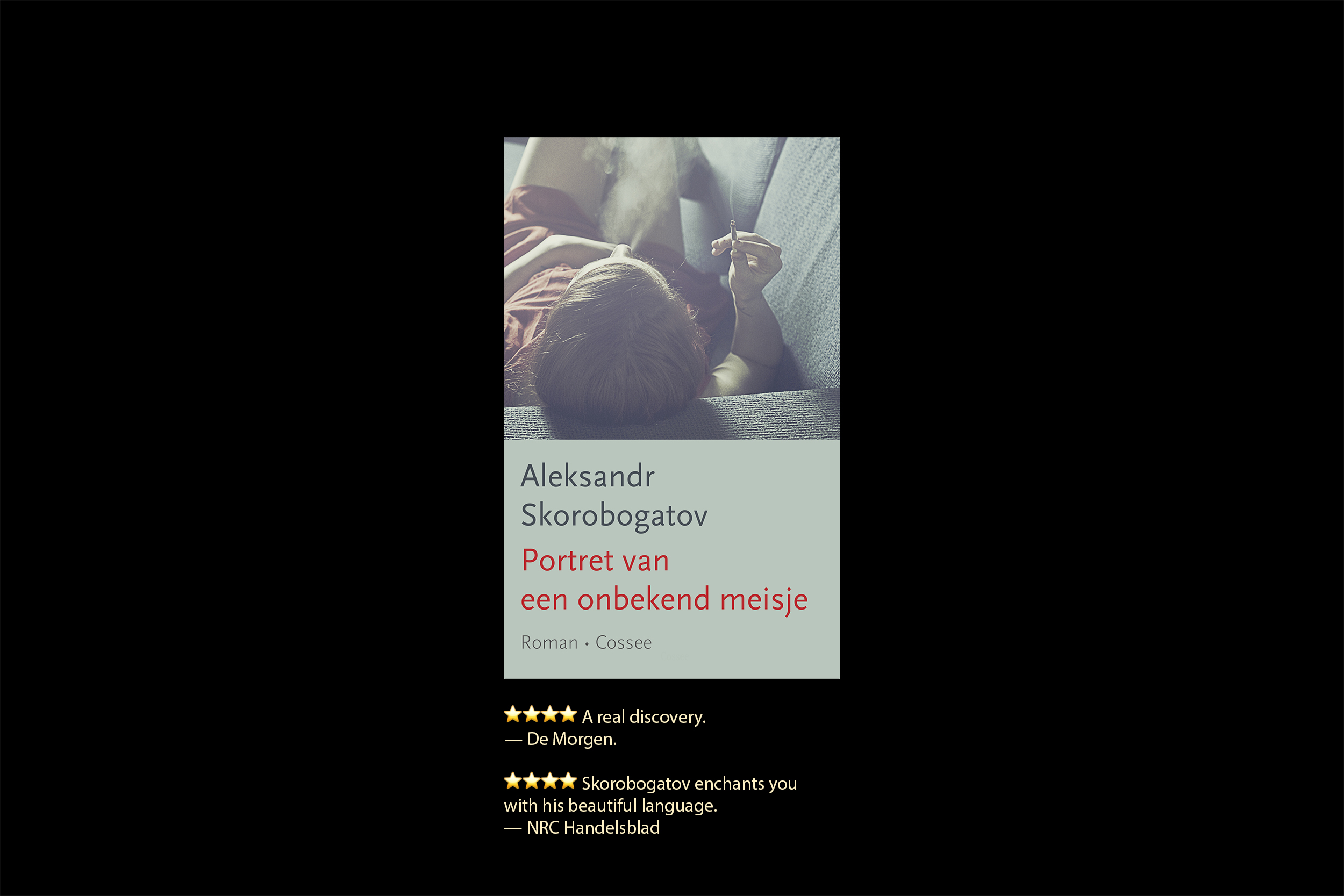
‘Portrait of an Unknown Girl seems to continue seamlessly a Russian literary tradition in which great feelings are allowed to roam freely,’ wrote Dirk Leyman in De Morgen (4 out of 5 stars). ‘Think of Turgenev’s First Love or a story by Ivan Bunin. Skorobogatov evokes such feelings in an exceptional fashion. His novel is witty where it needs to be, sensual where it wants to be, and subtle about the “precarious, sweet mixture of feelings that you want to rend asunder, but want to sustain even more.” From the first page you’re aware that a refined stylist is wielding his pen. Quickly, you find yourself immersed knee-deep in this novel, which is full of melancholic, poised images and passionate sentences. Along the way, Skorobogatov skillfully conjures up the atmosphere of the crumbling Soviet empire in a far-off corner of Belarus ruled by alcoholism, boredom, and petty fights. Skorobogatov’s richly varied prose adds a gentle glow to the whole. Portrait of an Unknown Girl is a real discovery.’
‘An epic composed with such subtlety that it deserves to be called a work of genius,’ wrote Guus Bauer in Literatuurplein.
‘Aleksandr Skorobogatov has written a novel about the tragic first love between two teenagers in the Soviet Union of the seventies. He describes the thrill of that first time in a blistering way,’ wrote Michel Krielaars in NRC Handelsblad (4 out of 5 stars). ‘Your first great love never leaves you. Russian writers, masters of melancholy, often know how to beautifully give voice to it. Aleksandr Skorobogatov is a contemporary chronicler of that great feeling in his fifth novel, Portrait of an Unknown Girl. Skorobogatov describes it in long, meandering sentences, a stylistic hallmark of his earlier books as well. For everything in this beautiful novel revolves around being in love, around physical desire, around enjoying each other’s beauty, around the first time they have sex when the parents aren’t at home. And it is described so richly that Skorobogatov carries you away and enchants you with his beautiful language.’
Cocaine — Surrealism and Literary Experimentation
In the subsequent years, more of my books were published, garnering positive reviews and translations into various languages.
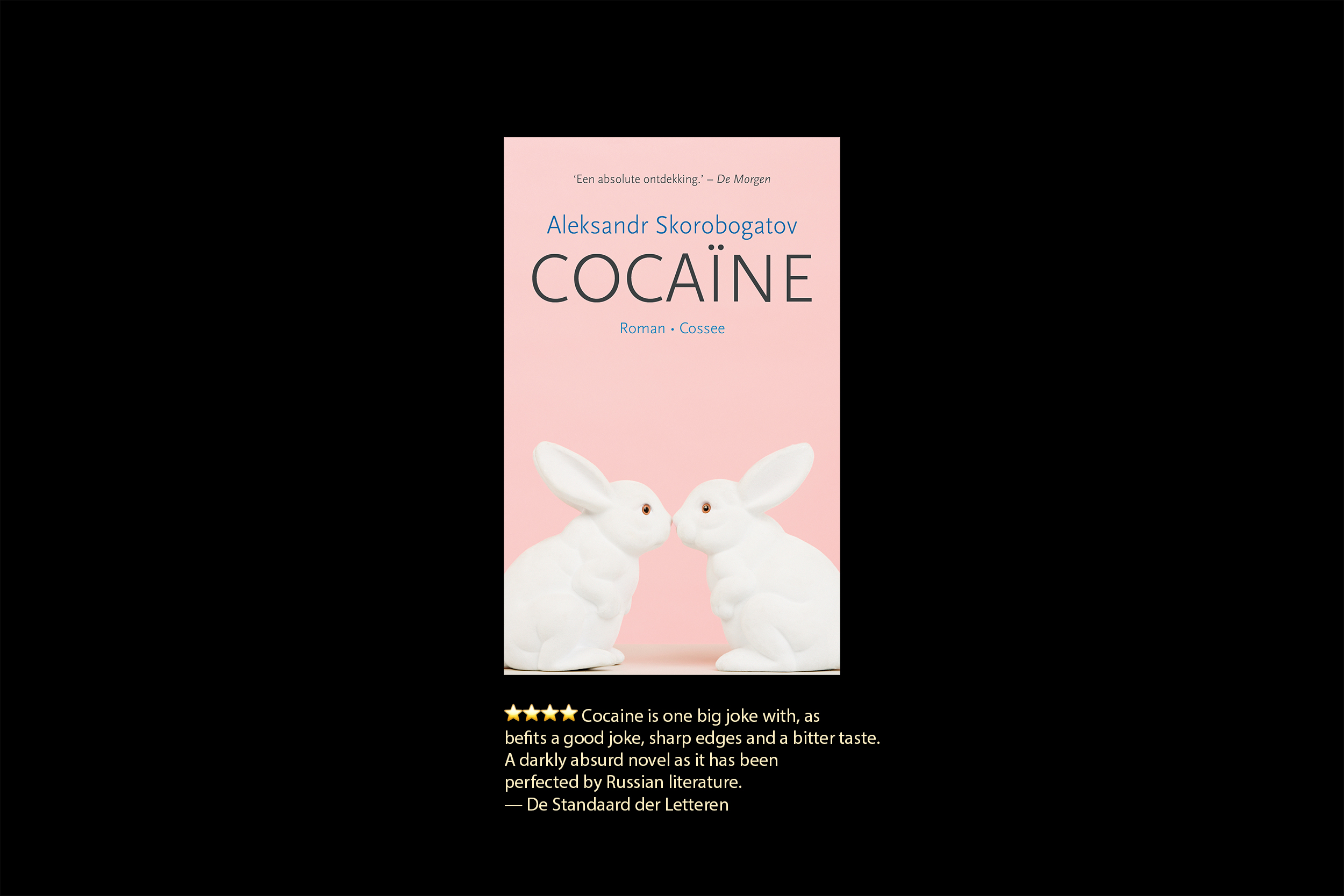
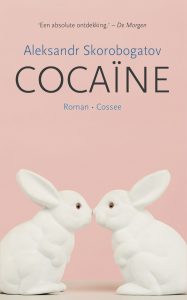
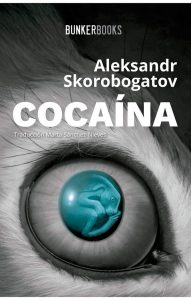
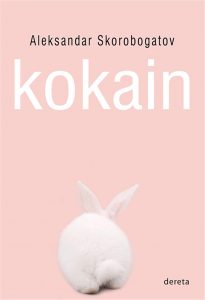
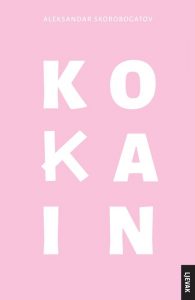
‘Readers who swooned over his wonderful Portrait of an Unknown Girl or raced through the pulse-pounding modern classic Russian Gothic won’t know what’s in store for them when they start reading Cocaine, the new novel by Aleksandr Skorobogatov,’ wrote Bent Van Looy about my novel Cocaine in Culture Club Magazine. ‘Skorobogatov gloriously goes off the rails and bends every rule. Anyone who dares to board this surreal rollercoaster ride of a novel will find themselves tumbling and swaying ecstatically from screamingly funny formal experiments to hilarious political hot-button issues and pitch-dark fever dreams. Whoever manages to get off unscathed will never see the world in the same way again. Not for the faint of heart, but what a great book!’
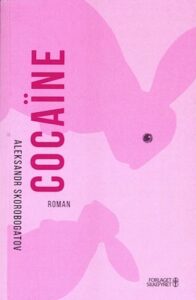
‘There’s serious drama brewing in Cocaine: it’s about the impossibility of feeling at home, the impossibility of knowing the rules and regulations. How to live? For a “traveler”—a euphemism for an emigrant—there are fewer toeholds in the stream of hallucinations that reality pretends to consist of. And that’s the best experience of reading this at times brilliant and at times lurid novel: what happens to you when the ground beneath your feet gives way, when you lose your family and loved ones, when the rabbit hole is flooded by a big wave. When everything is turned on its head, can incest be love? Can the dead come back to life? Can the pain of life cease when you become someone else? Can a book be read while the writer is still writing it? Well, why not?’
‘The trip undertaken by the protagonist of Cocaine is also a journey through world literature,’ wrote Marnix Verplanke in Knack Focus. ‘The formal experimentation of Cocaine is reminiscent of Sterne’s Tristram Shandy. Sarah, neither man nor woman, but someone who feels like a chair and is looking for someone willing to take a seat on them, could have been thought up by a latter-day Gogol, and intellectually and emotionally, the Antwerp-based Russian author Aleksandr Skorobogatov seems to be a long-lost cousin of Beckett. Because that’s what this novel is really about: existential fear and the unbridgeable gap between the artist and the world in which he lives.’
‘Absolutely one of the most amazing books of 2017,’ wrote Sonja de Jong about Cocaine in Noordhollands Dagblad. ‘Skorobogatov proves himself a worthy successor to surrealists such as André Breton. It’s irresistibly funny. From the dazzling opening pages, the story grabs you, and you won’t be able to put it down.’
The Raccoon — Absurdism and Compassion
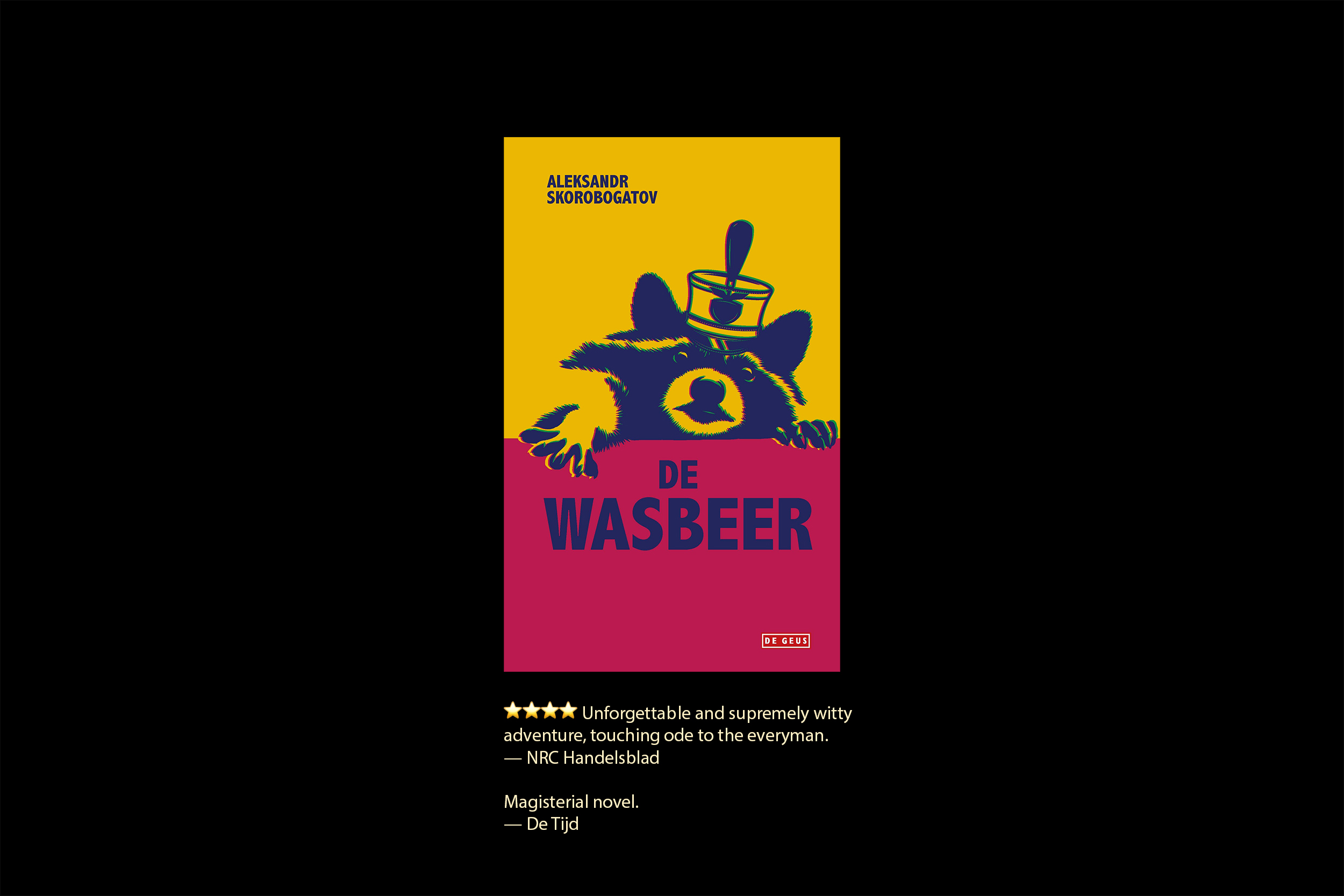
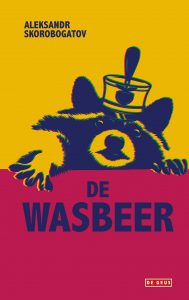
‘In the magisterial novel The Raccoon, Aleksandr Skorobogatov pleads for compassion for his antihero, who plods along like an everyman,’ wrote Erik Ziarchyk about my next novel, The Raccoon (2020), in De Tijd. ‘When Skorobogatov talks about the raccoon, understand it as the everyman, constantly hitting his head against the wall and persevering despite all adversities. While The Raccoon is often very funny, filled with sharp remarks and hilarious scenes, the book carries a serious, even dark undertone. The Raccoon is a literary rollercoaster, the simplicity of its story inversely proportional to its stylistic ingenuity. Those swept up in the raccoon’s tragic and absurd journey will be richly rewarded. It just might be that the best Russian writer at the moment lives in Antwerp.’
‘Do not be misled by the hilarity. Fundamentally, this is a tragic story, but the author narrates it with a smile rather than a tear. A sublime work,’ mentioned Boekenbijlage.
‘As a Flemish Bulgakov, the Belarusian writer Aleksandr Skorobogatov celebrates the festival of absurdism,’ wrote Michel Krielaars in NRC Handelsblad (4 out of 5 stars). ‘The Raccoon symbolizes the everyman, perennially unfortunate, a brave soldier Švejk of the animal kingdom. He embodies everyday human feelings and desires, reads the newspaper, watches television, longs for love, and yearns for cinema in the big city to watch Charlie Chaplin films. Yet, simultaneously, he flies around the globe like a swimming, furry Icarus and lounges next to ‘Lord God’ in a beach chair on the sun. His fate is inextricably linked to his cap with a golden cockade, which he perpetually wears, found nailed subtly to the head of a dead train conductor thrown from the train by drunken pilgrims on their way to the Hajj. Speaking about absurdism.
In his brief chapters with titles like ‘The Raccoon Composes Himself and Asks the Father a Question’ or ‘Is it Possible that the Raccoon is an Immoral Womanizer?’, Skorobogatov continually brings references to classic Russian writers such as Tolstoy, Pushkin, and the fabulist Krylov. Yet he does not hesitate to mention Quentin Tarantino films or Superman, writing down every conceivable fantasy, sometimes tangential to the main narrative. Coupled with his rich style, pulling all linguistic registers, The Raccoon becomes not only an unforgettable and supremely witty adventure but also a touching ode to the everyman, who already has it hard enough in life.’
War Chronicles: Stories from Belarus, Russia, and Ukraine — Nonfiction
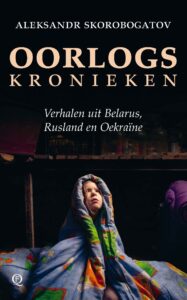
In 2023, Singel Publishers compiled my columns, originally published in the leading Flemish and Dutch newspapers De Standaard (Belgium) and NRC Handelsblad (The Netherlands), into a book titled Oorlogskronieken, Verhalen uit Belarus, Rusland en Oekraïne (War Chronicles: Stories from Belarus, Russia, and Ukraine).
Through the Dark Woods — A Monument to my Murdered Son
In 2024, I completed the most personal, painful, and intense—yet also the most necessary—work I have ever undertaken: a novel about my late son Vladimir.
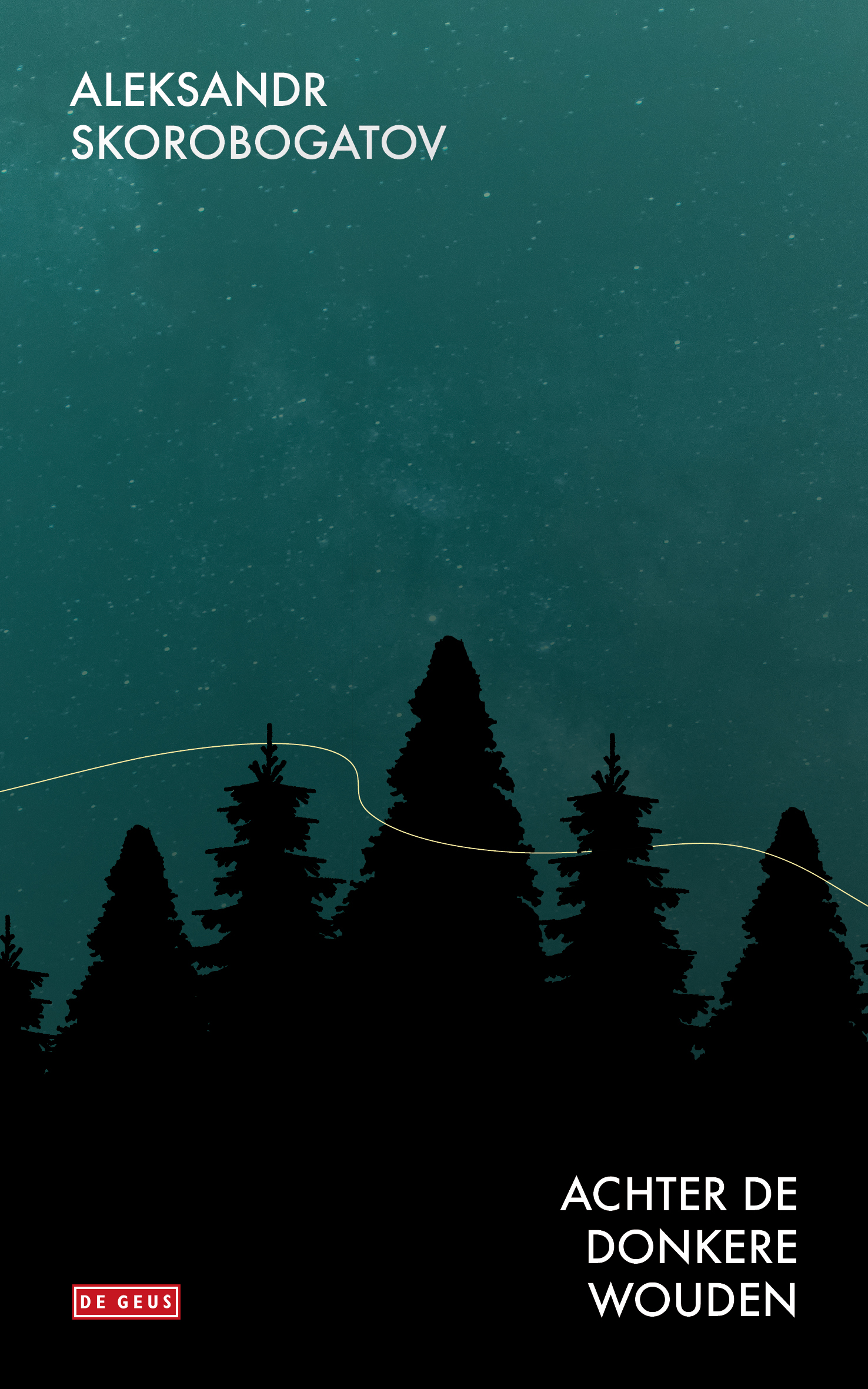
I first published the novel—which I first wrote in Russian and then translated myself into Dutch—through the Dutch publishing house De Geus (Singel Uitgeverijen), under the title Achter de Donkere Wouden. The English edition, Through the Dark Woods, will follow in 2026, to be published by Old Street, the publisher behind the success of Russian Gothic.
It took me twenty years to find the strength to write Through the Dark Woods—a novel about our life in Georgia and Russia; about what happened to my son on the last night of his life; about who kidnapped and murdered my boy; and why something so horrific could have happened. But it is also about what a beautiful boy he was, still is, and will always remain.”
Through the Dark Woods: a father’s final letter to his murdered son becomes a reckoning with a nation’s moral collapse
Through the Dark Woods is a novel about the loss of a child and the moral disintegration of a country. At once an intimate, heart-rending letter from a father to his murdered son and a razor-sharp analysis of Putin’s Russia—where violence and indifference have become the norm—it marries emotional depth with civic urgency.
The novel is rooted in one of the deepest fears any parent can know. Twenty years after the kidnapping and murder of his fifteen-year-old son near Moscow, the author writes a final, inevitable letter. What exactly happened? How was it possible? Where does one find the strength to go on? This profoundly personal story of grief, guilt, memory, and unconditional fatherly love is universal and will touch readers to the core.
More than a work of mourning, Through the Dark Woods is a scalpel-sharp dissection of a corrupted society. Skorobogatov portrays a Russia in which violence is normalized and the boundary between crime and power has blurred. The novel poses urgent questions about collective guilt, moral paralysis, and the deafening silence of a society that has come to regard dehumanization as standard. It lays bare the roots of Russia’s current aggression—and is painfully timely.
A searing detail: the murder was orchestrated by a priest who, despite clear indications, was never prosecuted and was shielded by the justice system. In a Russia where the Church is a pillar of Putin’s propaganda machine, such impunity exposes the close entanglement of religion and state power.
Ultimately, the novel speaks to universal themes—grief, paternal love, guilt, and remembrance. An intimate work with urgent societal relevance—and a literary monument to a child who must never be forgotten.
In addition, I contribute op-ed columns to De Standaard and NRC, the leading quality newspapers in Flanders and the Netherlands. I live in Antwerp and feel fortunate to continue my journey as a novelist.
PRESS BIOGRAPHY:
Aleksandr Skorobogatov was born in Grodno in what is now Belarus. He is one of the most original Russophone writers of the post-communist era. An heir to Dostoevsky, Gogol, Bulgakov, Nabokov, Pelevin, and Sorokin – the surreal line of the Russian literary canon – his novels have been published to great acclaim in Russian, Croatian, Danish, Dutch, English, French, Italian, Greek, Serbian, and Spanish. He won the prestigious International Literary Award Città di Penne for the Italian edition of Russian Gothic, which also received the Best Novel of the Year Award from Yunost. Cocaine (2017) won Belgium’s Cutting Edge Award for ‘Best Book International’. His most recent novel, Raccoon, was published by De Geus in 2020. De Tijd has called Skorobogatov ‘the best Russian writer of the moment’. For his literary and journalistic work, Aleksandr Skorobogatov received the Arkprijs for the Free Word (Belgium) and the Honorary Medal from the leading Belgian university KU Leuven. He lives and works in Belgium.
Rights contact:
Markus Hoffmann, Regal Hoffmann & Associates LLC (NYC): info@rhaliterary.com